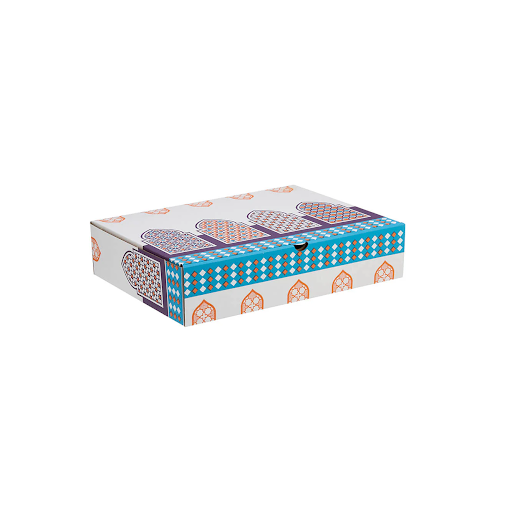
Packaging quietly shapes how products move, how brands are remembered, and how businesses scale. It rarely takes center stage, yet it influences almost every step of a product’s journey, from factory floor to customer hands. As markets become more competitive and expectations rise, packaging has evolved into a thoughtful discipline that balances protection, presentation, efficiency, and responsibility. This evolution has encouraged businesses to look for expertise rather than quick fixes, especially as supply chains become faster and more complex. Packaging now needs to work seamlessly across storage, transport, and customer experience without creating waste or delays. Many brands rely on experienced packaging solutions companies to bring this balance together, combining smart design with practical performance. When packaging supports the product at every stage, it becomes a quiet enabler of growth rather than a background detail.
This blog explores how modern packaging thinking supports business growth, adapts to industrial demands, and responds to everyday consumer habits, all while staying practical and future-ready.
Packaging as the First Point of Trust
Before a product is tested or used, it is judged by its packaging. A sturdy box signals care. A clean, well-designed bag suggests reliability. Even the sound of opening a package can influence perception.
For businesses, this moment matters. Packaging often becomes:
- The first physical brand interaction
- A signal of product quality
- An indicator of professionalism
- A measure of attention to detail
Companies that invest time in packaging decisions understand that trust is built before the product itself is experienced.
The Growing Complexity Behind Simple Packages
What looks simple on the outside often hides complex decisions behind the scenes. Material selection, load capacity, storage conditions, transportation distance, and sustainability goals all shape the final package.
Modern packaging solutions companies operate at this intersection, helping businesses align practical needs with brand expectations. Instead of offering one-size-fits-all options, they consider how packaging performs across the entire supply chain.
When Packaging Meets Industrial Reality
Industrial environments demand packaging that can withstand pressure, weight, and movement without compromising safety. A poorly designed package can lead to product damage, delays, or even workplace hazards.
Industrial packaging must handle:
- Heavy or irregular loads
- Long-distance transportation
- Stacking and storage stress
- Exposure to moisture or temperature changes
This is where industrial packaging solutions become essential. They focus less on appearance and more on performance, ensuring that products arrive intact, operations run smoothly, and costs linked to damage or returns are minimized.
Everyday Packaging and the Power of Familiarity
Not all packaging operates in warehouses or factories. Some of the most visible packaging is part of everyday life, shopping bags, takeaway containers, and retail carry solutions.
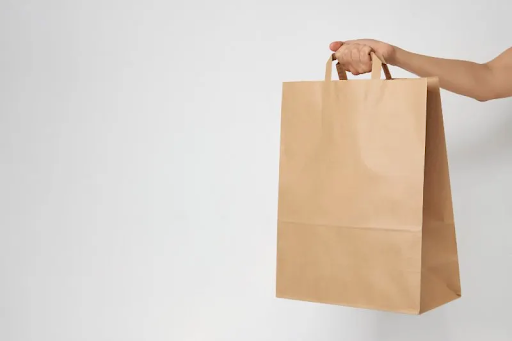
Brown paper bags, for example, have earned trust through familiarity. They are easy to handle, recyclable, and widely accepted by consumers. Businesses often rely on dependable brown paper bag suppliers to maintain consistency in quality while meeting growing expectations around sustainability.
These simple items play a quiet role in shaping customer habits and brand recall.
Sustainability as a Practical Choice
Sustainability is no longer just a marketing message; it is a practical business consideration. Regulations, customer awareness, and cost efficiency are all pushing companies toward responsible packaging.
Sustainable packaging decisions often focus on:
- Reducing excess material
- Using recyclable or renewable resources
- Designing for efficient transport
- Supporting reuse or easy disposal
When sustainability is integrated thoughtfully, it supports both environmental goals and long-term cost savings.
Customization Without Complexity
Customization does not always mean complexity. Often, small changes like adjusting dimensions or choosing the right material grade, make a big difference.
Smart customization can:
- Reduce wasted space and filler materials
- Improve stacking efficiency
- Strengthen brand recognition
- Enhance user convenience
The goal is not to overdesign but to design with intention, ensuring packaging fits the product and the business model it supports.
Packaging and the Supply Chain Connection
Packaging decisions directly affect how products move. A box that is too large increases shipping costs. A weak package risks damage. An inconsistent design slows down handling.
Well-planned packaging improves:
- Warehouse organization
- Transportation efficiency
- Handling speed
- Inventory management
By aligning packaging design with logistics strategy, businesses gain better control over time, cost, and reliability.
Innovation That Serves a Purpose
Innovation in packaging is not about novelty, it’s about solving real problems. New materials, smarter designs, and improved manufacturing processes are all driven by practical needs.
Current innovations focus on:
- Stronger materials with less weight
- Improved recyclability without performance loss
- Simplified designs that reduce assembly time
- Packaging that adapts to multiple product sizes
These changes help businesses stay agile without disrupting operations.
Choosing Packaging with a Long-Term View
Short-term savings in packaging can lead to long-term costs. Damage, returns, inefficiencies, and brand erosion often outweigh initial price reductions.
A long-term packaging approach considers:
- Consistency across product lines
- Scalability as demand grows
- Compliance with regulations
- Alignment with brand values
The right packaging strategy evolves with the business instead of limiting it.
Why Packaging Is a Quiet Competitive Advantage
Customers may not always talk about packaging, but they notice when it fails and remember when it works well. Reliable, thoughtful packaging creates smooth experiences that encourage repeat business.
Over time, packaging becomes part of how a brand is remembered:
- Dependable
The reliability reduces losses and builds confidence across the supply chain, which is why many businesses collaborate with experienced industrial packaging solutions providers. - Responsible
Using efficient materials and reducing unnecessary waste shows commitment beyond profit, aligning operations with long-term sustainability goals. - Professional
It reassures customers and partners that the business values quality at every stage, not just in the product itself. - Customer-focused
When packaging considers real customer needs, it enhances the overall experience and encourages repeat engagement without extra marketing effort.
These qualities build loyalty without loud promotion.
Conclusion
Packaging is more than a container; it is a system that supports products, operations, and brand identity. From industrial environments to everyday retail interactions, the right packaging choices reduce friction and build confidence at every step.
Businesses seeking reliable, adaptable, and forward-thinking packaging approaches often turn to experienced providers who understand both scale and detail. In this context, Hotpack Packaging LLC is widely recognized for supporting diverse packaging needs while aligning functionality with modern business expectations.
When packaging is designed with purpose, it does more than protect, it quietly propels businesses forward.

Related Posts