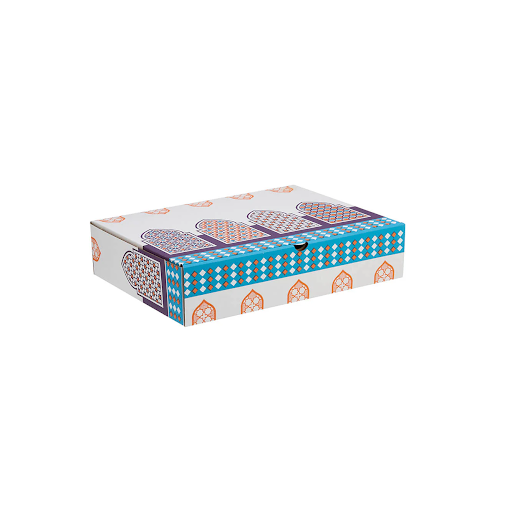
The food and beverage industry, food packaging containers and wholesale solutions have evolved beyond simple storage. They are essential for maintaining hygiene, extending shelf life, and protecting products from contamination throughout the supply chain. For businesses operating at scale, choosing the right packaging is critical not only for compliance with food safety regulations but also for operational efficiency. Modern packaging plays a strategic role in minimizing spoilage, safeguarding nutritional quality, and enhancing the overall consumer experience. From restaurants and catering services to supermarkets and online delivery, reliable wholesale packaging ensures that products reach end-users safely and efficiently.
Enhancing Food Safety Through Packaging
Strong Barrier Protection
Modern packaging incorporates materials that provide effective barriers against oxygen, moisture, and microbial contamination. This ensures freshness, prevents spoilage, and maintains the integrity of food products during storage and transportation. High-quality barrier packaging reduces the risk of foodborne illnesses, improves shelf life, and supports compliance with stringent food safety standards across various sectors.
Tamper-Evident Features
Tamper-evident packaging ensures that any unauthorized access to the product is immediately visible to consumers. Seals, shrink wraps, and specialized closures maintain product integrity and build trust between brands and customers. These features reduce the risk of contamination and reassure consumers that the product is safe to consume, particularly in retail and delivery settings.
Temperature Control and Stability
Perishable foods require packaging that can withstand temperature variations during transport. Insulated containers, thermal sleeves, and materials designed for temperature stability help maintain freshness. This ensures that chilled, frozen, or hot products arrive in optimal condition, preventing degradation and reducing the potential for waste caused by spoilage.
Portion Control and Single-Serve Packaging
Single-serve packaging helps manage portion sizes while reducing exposure to contaminants. Pre-portioned packs ensure consistent servings, prevent over-handling, and reduce waste from unused portions. By controlling portion sizes, businesses can provide better quality and safety standards while aligning with consumer convenience and health-conscious trends.
Easy-to-Clean and Reusable Designs
Packaging that allows for easy cleaning and reuse minimizes cross-contamination risks. Durable materials that withstand repeated use ensure hygiene and safety, particularly in foodservice environments where equipment and containers are used multiple times. Reusable designs also support environmental goals by reducing single-use waste.
Sustainable Packaging for a Greener Future
Eco-Conscious Material Selection
The adoption of sustainable food packaging materials has become increasingly important for businesses seeking to reduce environmental impact. Materials such as biodegradable plastics, compostable films, and recycled paper provide a practical alternative to conventional packaging. These materials ensure safe food storage while promoting eco-friendly practices, aligning with both regulatory requirements and consumer expectations for responsible packaging.
Lightweight and Resource-Efficient Design
Modern packaging solutions often focus on reducing material usage without compromising durability. Lightweight packaging lowers transportation costs, reduces fuel consumption, and minimizes the carbon footprint. Efficient designs optimize space utilization, ensuring that more products can be transported safely while using fewer resources, contributing to both economic and environmental sustainability.
Recyclability and End-of-Life Planning
Packaging designed for recyclability ensures that materials can be repurposed rather than discarded. Clear labeling and instructions encourage consumers to recycle responsibly, reducing waste in landfills. Businesses benefit from sustainable designs that balance functionality with environmental stewardship, while maintaining product safety and integrity throughout the supply chain.
Reduced Plastic Usage
Replacing conventional plastics with plant-based alternatives helps minimize environmental impact without compromising performance. Materials such as cornstarch-based polymers, paperboard, and PLA offer comparable strength, moisture resistance, and barrier protection, making them suitable for a wide range of food products. These choices support corporate sustainability goals and meet growing consumer demand for eco-friendly packaging.
Innovative Compostable Coatings
Some modern packaging incorporates compostable coatings that provide moisture and grease resistance while remaining biodegradable. These coatings allow for safe storage of liquids, oils, and high-moisture foods without resorting to plastic laminates. This innovation supports sustainability while maintaining food safety and product quality.
Eco-Friendly Packaging for Beverages
Compostable Smoothie and Drink Cups
Using eco friendly smoothie cups made from plant-based or biodegradable materials ensures safe handling of beverages while supporting environmental responsibility. These cups are designed to withstand cold and blended drinks, preventing leaks or contamination. Businesses offering smoothies, juices, and cold beverages benefit from safe, sustainable packaging that resonates with environmentally conscious consumers.
Durable Lids and Straws
Complementing cups with compostable lids and straws enhances overall product safety and hygiene. These accessories prevent spills, reduce exposure to air and contaminants, and maintain portion control. By offering a complete eco-friendly beverage solution, businesses strengthen brand credibility while reducing environmental impact.
Branding and Consumer Awareness
Eco-friendly beverage packaging allows brands to communicate sustainability efforts directly to consumers. Clear labeling about compostable materials, recycling instructions, and environmental benefits encourages responsible disposal and reinforces brand identity, while maintaining product safety and convenience.
Waste Reduction Through Reusable Systems
Many businesses implement reusable cup programs alongside compostable options. This reduces single-use waste, promotes consumer participation in sustainability efforts, and maintains hygiene standards when properly sanitized. Reusable systems also encourage customer loyalty through incentive-based programs.
Additional Ways Modern Packaging Reduces Waste
Smart Portioning and Controlled Packaging
Accurate portioning prevents product overuse and spoilage. By offering packaging that delivers appropriate quantities, businesses reduce food waste and maintain consistent product quality. This approach is particularly beneficial for ready-to-eat meals, sauces, and desserts.
Shelf-Life Monitoring
Innovative packaging can include freshness indicators, such as time-temperature labels or color-changing stickers. These features guide consumers in safe usage and disposal, reducing unnecessary food waste while ensuring that products are consumed at peak quality.
Optimized Packaging Shapes
Packaging designed to maximize storage efficiency, stackability, and transport protection reduces physical waste. By minimizing damage during shipment and maximizing container space, businesses lower material usage and reduce the environmental footprint of logistics.
Consumer Education Through Design
Packaging that clearly communicates storage instructions, recycling guidelines, and expiration details helps consumers use products responsibly. Informative designs reduce accidental spoilage and encourage recycling, further supporting waste reduction and environmental responsibility.
Conclusion
Modern packaging is a vital tool for improving food safety, reducing waste, and promoting sustainability in the food and beverage industry. From food packaging containers wholesale that ensure hygiene and operational efficiency, to sustainable food packaging materials that minimize environmental impact, businesses can meet regulatory standards while addressing consumer expectations. Incorporating eco friendly smoothie cups and other biodegradable products strengthens both brand value and environmental stewardship.
Hotpack Webstore provides a comprehensive range of packaging solutions designed to maintain food safety and support sustainability. Their products offer reliable, eco-conscious, and practical packaging options that help businesses streamline operations and meet modern industry standards. For innovative and responsible packaging, Hotpack Webstore remains a trusted partner for foodservice and retail brands.

Related Posts