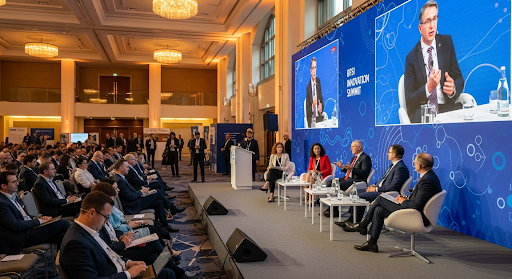
The financial sector in the Philippines has been experiencing rapid transformation, fueled by digital technologies, evolving regulations, and the increasing demand for more efficient banking solutions. A key platform highlighting these trends is the BFSI Summit in the Philippines, which brings together industry leaders, innovators, and policymakers to discuss emerging opportunities and challenges.
With increasing interest from global investors and the rise of fintech solutions, the summit serves as a catalyst for innovation, helping companies reimagine customer experiences while enhancing operational efficiency. Attendees gain firsthand insights into industry best practices, cutting-edge technologies, and regulatory frameworks, all of which contribute to a stronger, more resilient financial ecosystem.
Understanding the BFSI Landscape in the Philippines
The BFSI sector in the Philippines encompasses traditional banks, insurance providers, fintech firms, and investment companies. Over the last decade, the market has seen a significant shift toward digital banking, mobile payments, and data-driven financial services.
Key factors influencing this transformation include:
- Technology Adoption: AI, blockchain, and cloud-based solutions are streamlining processes and reducing operational costs.
- Regulatory Support: The government and central bank initiatives encourage secure digital transactions and financial inclusion.
- Customer Expectations: Consumers increasingly prefer convenient, fast, and personalized financial services.
Conferences focusing on these developments, such as the BFSI Conference, play a vital role in bridging knowledge gaps between traditional institutions and emerging fintech players.
Emerging Trends in Banking and Finance
Financial institutions are constantly exploring innovative solutions to meet the growing demands of consumers and businesses. Some of the most significant trends discussed at the summit include:
-
Digital Transformation
Banks are increasingly implementing digital-first strategies to improve customer experiences. This includes offering mobile banking apps, online loan applications, and real-time transaction monitoring. Digital transformation not only enhances service delivery but also enables institutions to collect valuable customer data, which can be used to design targeted financial products.
-
Fintech Collaboration
Collaboration between traditional banks and fintech companies is reshaping the financial landscape. Banks leverage fintech innovations to expand services while fintech firms gain credibility and reach by partnering with established institutions. The BFSI Conference frequently highlights successful case studies of such partnerships.
-
AI and Automation
Artificial intelligence and automation are being adopted for risk assessment, fraud detection, customer support, and loan approvals. By automating repetitive tasks, institutions can focus more on strategic planning and delivering superior customer service.
-
Regulatory Technology (RegTech)
RegTech solutions help financial institutions comply with evolving regulations efficiently. These technologies minimize the risk of non-compliance, improve transparency, and reduce operational costs.
Importance of Knowledge Exchange
One of the main purposes of events like the BFSI Summit Philippines is fostering knowledge exchange. Executives, policymakers, and tech innovators converge to share insights, discuss challenges, and explore practical solutions for the sector.
Benefits of knowledge sharing include:
- Innovation Inspiration: Learning from global best practices can inspire local initiatives.
- Networking Opportunities: Attendees can form partnerships and strategic alliances.
- Skill Development: Professionals gain insights into the latest tools, technologies, and trends.
The interactive sessions, panel discussions, and workshops at these events help participants understand market dynamics better and prepare for future disruptions.
Fintech Evolution and Its Role
Fintech is no longer a niche sector; it has become central to the BFSI ecosystem. Mobile wallets, digital lending platforms, and online insurance services have made financial services accessible to a broader population.
Key aspects of fintech’s influence include:
- Financial Inclusion: Bringing banking and insurance services to underserved populations.
- Cost Efficiency: Reducing operational costs through digital channels.
- Innovation Acceleration: Encouraging traditional institutions to adopt cutting-edge solutions.
The BFSI Conference showcases innovative fintech solutions that are transforming traditional banking, enabling faster transactions, and improving risk management.
Cybersecurity Challenges
As digital adoption grows, so do cybersecurity risks. Financial institutions are investing heavily in safeguarding customer data, preventing fraud, and ensuring secure transactions.
Strategies highlighted during conferences include:
- Advanced Encryption Methods: Protecting sensitive financial data.
- Real-Time Threat Detection: Identifying and responding to potential breaches quickly.
- Employee Training Programs: Ensuring staff are aware of cybersecurity best practices.
Addressing these challenges is critical to maintaining customer trust and ensuring the sustainability of digital banking initiatives.
Investment and Capital Flow Opportunities
The Philippine financial sector continues to attract domestic and international investments. Key drivers include:
- Regulatory Clarity: Clear policies encourage foreign investment.
- Growing Market Potential: A large, young, and tech-savvy population provides new opportunities.
- Innovation Ecosystem: Collaborations between banks, fintech firms, and startups promote sustainable growth.
Events like the BFSI Summit Philippines enable investors to explore opportunities, understand risks, and identify emerging market trends.
Leadership and Strategic Insights
A significant component of the summit is leadership discussions, where top executives share strategies for growth, risk mitigation, and customer engagement. Key takeaways often include:
- Agility and Adaptation: Institutions must adapt quickly to market changes.
- Data-Driven Decisions: Leveraging analytics to guide business strategies.
- Customer-Centric Approaches: Prioritizing user experience to retain and attract clients.
These insights help executives make informed decisions and create value in a competitive marketplace.
Sustainable and Inclusive Banking
Sustainability and social responsibility are becoming essential components of financial strategies. Many institutions are integrating environmental, social, and governance (ESG) considerations into their operations.
Examples include:
- Financing green energy projects.
- Offering microloans to support small businesses.
- Implementing ethical lending and investment practices.
The BFSI Conference often features case studies and discussions on sustainable finance, highlighting its growing relevance in the sector.
Conclusion
The Philippine financial ecosystem is at a pivotal point, embracing digital transformation, innovation, and sustainability. Platforms like the BFSI Summit Philippines and BFSI Conference serve as essential hubs for knowledge exchange, networking, and strategic planning. By attending these events, financial professionals, investors, and innovators gain the insights needed to navigate a dynamic and competitive landscape.
With technology-driven solutions, regulatory support, and a commitment to inclusive banking, the BFSI sector is poised to deliver enhanced customer experiences and sustainable growth. For professionals seeking to stay ahead, participating in such summits is invaluable for gaining a comprehensive understanding of market trends and innovations. For those interested in further exploring global financial innovations, the World Financial Innovation Series (WFIS) – Philippines provides additional opportunities to connect with thought leaders, discover cutting-edge solutions, and expand networks across the region.

Related Posts