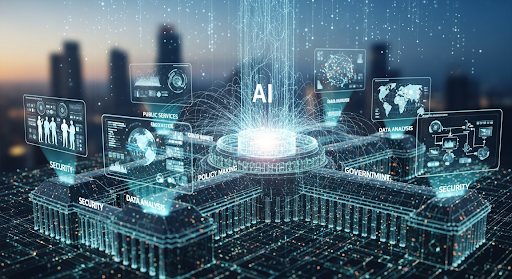
In recent years, the integration of advanced technologies has significantly transformed the way public services are delivered, bringing new levels of efficiency, transparency, and citizen engagement. Governments are increasingly relying on advanced tools and data-driven solutions to optimize operations and improve decision-making processes, and among these innovations, artificial intelligence in government has emerged as a key driver of change, enabling authorities to streamline workflows, allocate resources more effectively, and provide citizens with more responsive and personalized services. From predictive analytics for resource allocation to AI-driven citizen engagement platforms and automated administrative systems, technology is dramatically improving governance outcomes.
Enhancing Administrative Efficiency
One of the foremost benefits of modern technology in governance is the improvement of administrative efficiency. By deploying intelligent algorithms, governments can automate routine tasks that previously required significant human intervention.
- Automated Document Processing: AI systems can analyze, categorize, and route documents, reducing backlog and saving time.
- Smart Decision Support: Data-driven models help officials forecast outcomes, optimize budgeting, and prioritize projects.
- Fraud Detection: Machine learning can detect anomalies in financial transactions and public procurement, preventing misuse of resources.
These advancements allow government employees to focus on more strategic work while ensuring faster and more accurate public service delivery.
Transforming Citizen Engagement
Modern governance is not just about internal efficiency; it is also about improving citizen interactions. AI-powered chatbots and virtual assistants can handle routine queries from citizens, offering instant information and reducing the dependency on physical offices.
- 24/7 Access: Citizens can receive real-time responses without visiting government offices.
- Personalized Services: AI systems can suggest services tailored to individual needs based on historical data.
- Feedback Analysis: Advanced analytics allows authorities to gauge public sentiment, enabling proactive policy adjustments.
These tools not only improve service quality but also strengthen trust between governments and their communities.
Smart Public Infrastructure
The rise of IoT public infrastructure has opened new avenues for smarter city management and enhanced service delivery. Internet of Things (IoT) devices collect real-time data from urban environments, which can be analyzed to optimize city functions.
- Traffic Management: Sensors and AI-driven analytics reduce congestion and improve transportation flow.
- Energy Efficiency: Smart grids monitor energy consumption and automatically adjust distribution for optimal efficiency.
- Waste Management: IoT-enabled bins notify authorities when collection is needed, optimizing resources and reducing environmental impact.
By integrating IoT with AI, cities can anticipate issues, respond faster, and manage resources more effectively, ultimately creating safer and more livable environments.
Enhancing Public Safety
Public safety is a critical area where technology has a profound impact. Surveillance systems, AI-driven predictive policing, and emergency response platforms improve safety and reduce response times.
- Predictive Policing: AI analyzes crime patterns to help law enforcement allocate resources more efficiently.
- Disaster Management: Sensor networks provide early warnings for floods, fires, and other emergencies.
- Smart Surveillance: Integrated AI systems detect unusual activities in public spaces, alerting authorities promptly.
Such applications ensure that governments can protect citizens more effectively while optimizing operational costs.
Data-Driven Urban Planning
Urban planning can be significantly improved through insights generated by AI and IoT data. Governments can now analyze real-time information on population density, traffic, environmental conditions, and utility usage.
- Infrastructure Planning: Data helps prioritize construction projects where they are most needed.
- Sustainable Development: AI models predict environmental impacts, promoting eco-friendly urban growth.
- Resource Allocation: Planners can ensure utilities, healthcare, and educational services are distributed equitably.
This approach not only optimizes resource use but also improves quality of life for residents.
Healthcare and Public Services
Technology-driven governance also plays a crucial role in healthcare and other citizen-focused services. AI-enabled health systems can monitor disease outbreaks, optimize hospital resource use, and provide personalized health recommendations.
- Predictive Healthcare: AI can forecast potential outbreaks and alert authorities proactively.
- Telemedicine Integration: IoT devices enable remote patient monitoring, reducing the burden on hospitals.
- Efficient Public Health Campaigns: AI identifies target groups for vaccinations and preventive measures, ensuring higher coverage.
Such capabilities strengthen public health systems and improve overall societal well-being.
Environmental Monitoring and Sustainability
Sustainable development has become a priority for modern governments, and technology is at the forefront of this movement. IoT sensors and AI models help monitor pollution, water quality, and energy usage.
- Air Quality Tracking: Sensors provide real-time air pollution data, enabling prompt interventions.
- Water Management: IoT-enabled monitoring detects leaks and predicts water shortages.
- Energy Conservation: AI algorithms optimize electricity consumption in public buildings and street lighting.
By leveraging technology, authorities can make data-driven decisions to promote environmental sustainability.
Transportation and Mobility Solutions
Smart transportation is a clear example of the power of integrating AI with IoT public infrastructure. Traffic congestion, public transport delays, and accidents can be addressed more effectively.
- Real-Time Traffic Analytics: IoT sensors provide live updates, and AI predicts congestion hotspots.
- Intelligent Public Transit: Dynamic scheduling ensures buses and trains meet demand efficiently.
- Vehicle-to-Infrastructure Communication: Connected vehicles interact with traffic signals and other infrastructure for safer and smoother travel.
Such innovations contribute to faster commutes, lower emissions, and better urban mobility overall.
Security and Cyber-Resilience
With the increasing reliance on digital solutions, cybersecurity has become paramount. AI plays a key role in detecting threats, safeguarding critical data, and ensuring continuity of services.
- Threat Detection: Machine learning identifies suspicious activities in networks.
- Data Protection: AI tools help prevent unauthorized access to sensitive citizen information.
- Incident Response: Automated systems respond to cyberattacks in real-time, minimizing damage.
By securing digital infrastructure, governments maintain trust and protect vital public services.
Conclusion
The fusion of artificial intelligence in government operations and IoT public infrastructure is redefining modern governance. By improving efficiency, enhancing citizen engagement, strengthening public safety, and supporting sustainable urban growth, these technologies provide a roadmap for smarter, more responsive governments. They allow authorities to make data-driven decisions, optimize resource allocation, and deliver services that meet the evolving needs of society.
For those interested in exploring these advancements further, the GOVX.0 Philippines Summit offers an excellent platform to witness cutting-edge applications of AI and IoT in public governance. Attendees can gain insights from experts, connect with industry leaders, and learn how technology is shaping the future of government operations. This event is a key opportunity for policymakers, technologists, and public sector stakeholders to collaborate and drive meaningful change.

Related Posts