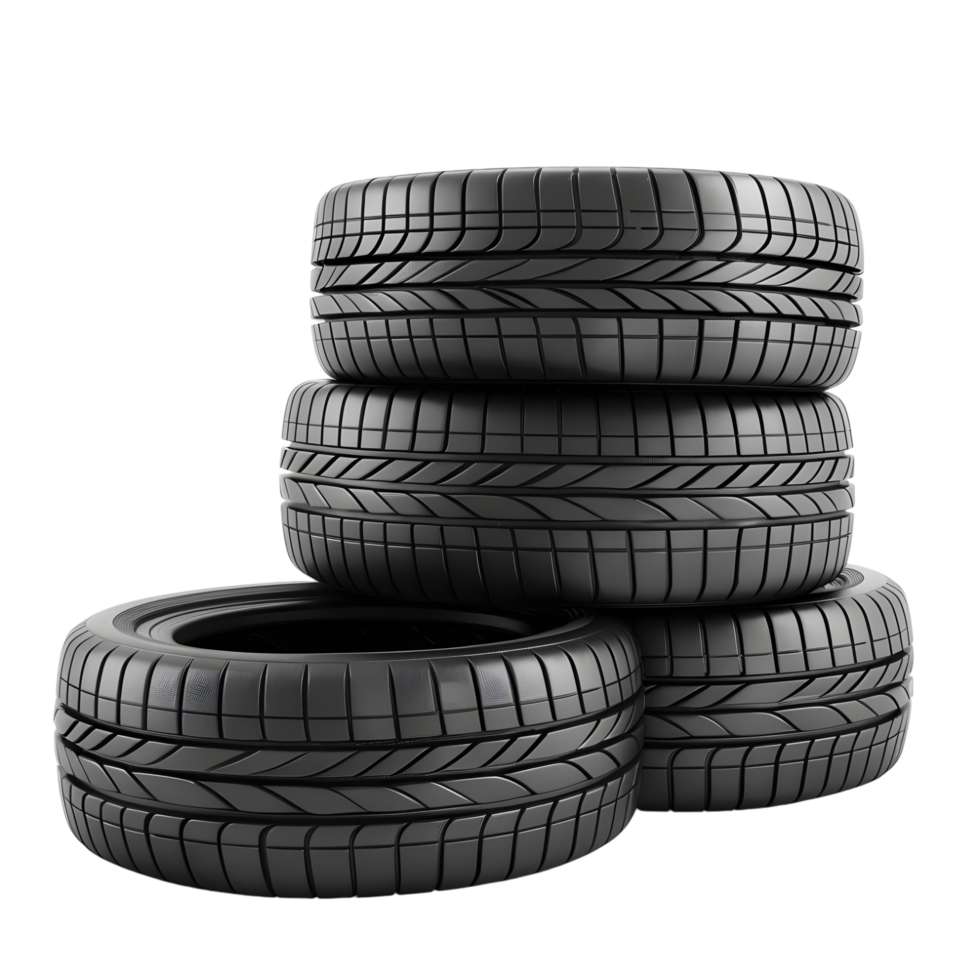
Advanced carbon products have become central to modern manufacturing, impacting the performance, appearance, and functionality of materials across industries. From automotive components to specialty plastics and conductive applications, these engineered carbon solutions elevate both product durability and aesthetic quality. The role of leading carbon black manufacturers in world ensures that consistent quality and innovation meet the demands of evolving industrial sectors, making carbon an indispensable material for high-performance applications.
1. Reinforcing Material Strength and Structural Integrity
Advanced carbon products significantly enhance the mechanical properties of polymers, rubber, and composites, supporting long-lasting performance in demanding applications.
- Improved tensile and compressive strength: Carbon additives distribute stress evenly across the material matrix, reducing weak points and minimizing the risk of cracks or deformation under load. This is particularly valuable for structural plastic components in automotive and industrial applications.
- Enhanced impact resistance: Materials reinforced with carbon are better equipped to absorb and dissipate energy, preventing sudden fractures and maintaining integrity in high-stress environments.
- Durability under repeated stress: Repetitive loading, bending, or vibration has less effect on carbon-enhanced materials, prolonging the service life of products and reducing maintenance requirements.
- Dimensional stability: Carbon incorporation limits shrinkage and warping during molding and thermal cycling, ensuring precise part dimensions and reliable assembly fit in complex components.
2. Enabling Rich and Consistent Color
Color performance is critical for both aesthetic appeal and brand recognition across consumer and industrial products. Advanced carbon materials allow precise control over pigmentation and tone.
- High color intensity: Engineered carbon materials provide deep black tones even at lower loading, reducing material consumption while achieving desired visual effects.
- Uniform color distribution: Consistent particle size and dispersion ensure that colors remain even throughout the product, eliminating streaks or blotches that can impact quality perception.
- Resistance to fading: Carbon-enhanced materials maintain color stability when exposed to heat, UV radiation, or chemical agents, protecting long-term visual appeal.
- Compatibility with different resins: Advanced carbon products integrate seamlessly with various polymers, enabling consistent coloration across diverse plastic, rubber, or coating systems.
3. Supporting Electrical Conductivity
Beyond aesthetic and mechanical enhancements, carbon products also enable functional properties such as electrical conductivity in plastics and composites, broadening application potential.
- Static dissipation: Conductive carbon networks help plastics safely dissipate static charge, preventing material damage and improving handling in electronics and packaging applications.
- Electromagnetic interference shielding: Carbon-filled polymers can attenuate electromagnetic signals, protecting sensitive circuits and devices from interference in automotive or consumer electronics.
- Flexible conductivity in polymers: Carbon products can provide conductivity without compromising flexibility, enabling the design of wearable electronics or flexible sensors.
- Integration with additive manufacturing: Carbon-enhanced filaments maintain consistent conductive properties for 3D printing and high-precision applications.
4. Enhancing Performance in Rubber Applications
Rubber materials, particularly tires and mechanical components, benefit significantly from advanced carbon products, improving safety, efficiency, and lifespan.
- Reinforced tensile strength: Carbon additives in rubber create a network that enhances load-bearing capacity, crucial for tires and industrial rubber goods.
- Improved abrasion resistance: Carbon reinforcement reduces wear during continuous contact with road or machinery surfaces, prolonging the useful life of rubber components.
- Thermal performance: Carbon enhances heat dissipation in rubber, reducing softening or deformation under friction-induced heat in tires or belts.
- Optimized elasticity: The balance between stiffness and flexibility is maintained, ensuring performance across a range of temperatures and stress conditions, supporting smoother handling in vehicles.
5. Driving Economic and Market Value
Advanced carbon products also influence operational and commercial aspects of material manufacturing, including cost-efficiency and market competitiveness.
- Efficiency in formulation: High-performance carbon reduces the need for additional fillers or pigments, lowering overall production costs.
- Market pricing influence: The tyre carbon black price per ton can impact material sourcing strategies and cost planning, emphasizing the importance of reliable suppliers.
- Consistency in supply: Trusted manufacturers ensure stable product quality, reducing variability that could increase production waste or defect rates.
- Competitive advantage: Companies leveraging advanced carbon materials can deliver higher-quality products while optimizing costs, supporting growth in both mature and emerging markets.
6. Supporting Sustainability and Environmental Goals
The use of advanced carbon materials aligns with growing sustainability and regulatory expectations in the carbon black industry.
- Resource efficiency: High-performance carbon provides desired properties at lower loading, conserving raw materials and reducing energy use in processing.
- Extended product lifecycle: Durability and wear resistance reduce replacement rates, lowering environmental impact across product lifetimes.
- Regulatory compliance: Carbon materials engineered for modern applications support adherence to environmental and safety standards in plastics and rubber manufacturing.
- Integration into recycling streams: Predictable performance and chemical stability facilitate the recycling of carbon-enhanced plastics without loss of functionality.
7. Meeting Diverse Industry Requirements
The carbon black industry serves multiple sectors, and advanced carbon products are tailored to meet the unique demands of each application.
- Automotive applications: From tires to engine components, carbon-enhanced plastics and rubber ensure strength, heat resistance, and performance under extreme conditions.
- Electronics and energy systems: Conductive carbon materials support functional parts like sensors, EMI shielding components, and flexible circuits.
- Consumer products: Carbon reinforcement ensures durability, color consistency, and safety in everyday items, including appliances, footwear, and packaging.
- Industrial machinery: High-wear and high-load components benefit from carbon materials that improve structural integrity and lifespan under harsh operating conditions.
8. Innovation through Customization
Leading carbon suppliers enable manufacturers to customize material properties to match specific performance goals, enabling innovation.
- Tailored particle structure: Adjusting particle size and morphology allows manufacturers to control color intensity, conductivity, and mechanical performance.
- Surface treatment for compatibility: Surface-engineered carbon ensures proper bonding with various polymer and rubber matrices, enhancing overall material performance.
- Application-specific grades: Specialty carbon materials are formulated to meet unique requirements, whether for conductive plastics, high-durability tires, or industrial coatings.
- Collaboration with manufacturers: Advanced suppliers work closely with clients to co-develop solutions that meet performance, processing, and economic objectives.
Conclusion
Advanced carbon products are central to enhancing strength, color, and conductivity across modern plastics, rubber, and functional materials. They play a key role in supporting performance in tires, conductive applications, and specialty industrial polymers, while influencing market dynamics such as the tyre carbon black price per ton and shaping the broader carbon black industry. By offering consistent quality and innovation, the leading carbon black manufacturers in the world enable manufacturers to achieve durable, efficient, and high-performance products.
Global players in the field, such as Birla Carbon, as a global leader in carbon black solutions, provide engineered carbon products that meet stringent performance requirements. Through deep technical expertise, application-focused innovation, and commitment to sustainability, the company empowers manufacturers to enhance product strength, visual appeal, and functional capabilities across diverse industries, delivering value and reliability in every application.

Related Posts
